Strawberries

Healthy fields. Healthy yields.

Strawberries are susceptible to diseases like Crown Rot (Phytophthora Cactorum), Verticillium Wilt (Verticillium Albo-atrum and V. dahliae), and Anthracnose (Colletotrichum acutatum).

Phytophthora Cactorum in strawberries

Crown Rot
(Phytophthora Cactorum)


Crown Rot is a soil-inhabiting pathogen, typically seen in strawberries planted in poorly drained, over irrigated soil, or during long periods of rain in warmer climates. The disease progresses rapidly, causing stunting, wilting of leaves, and eventually death.

Verticillium Albo-atrum and V. dahliae in strawberries

Verticillium Wilt
(Verticillium Albo-atrum and V. dahliae)


Verticillium Wilt is a soil-borne fungus, causing strawberries to wilt, turn brown or reddish-yellow between the veins, and grow dwarfed and blackened tip roots from the crown. Once established, it can survive in the soil for 25 years or longer without proper treatment.

Colletotrichum acutatum in strawberries

Anthracnos
(Colletotrichum acutatum)


Anthracnose affects fruit at any stage, seen in the field as petiole, runner, and fruit lesions. These small, sunken spots – brown on green fruit, or black on red fruit – develop and may expand to cover most or even all of the fruit surface. When crown tissue is infected and decays, the entire plant may wilt and die.
AGRONOMY HUB

Tools and resources for functional sustainability.


How Strawberries Became the Crop we Know Today

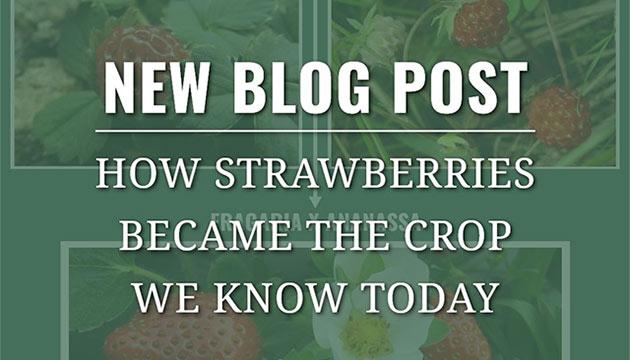
This month’s blog is live: How Strawberries Became the Crop We Know Today. Long before they filled grocery shelves, strawberries were wild fruits foraged by ancient peoples. Strawberries aren’t just sweet—they’re a story of science, culture, and resilience.

7/30/2025
What the History of Strawberries Teaches Us Today

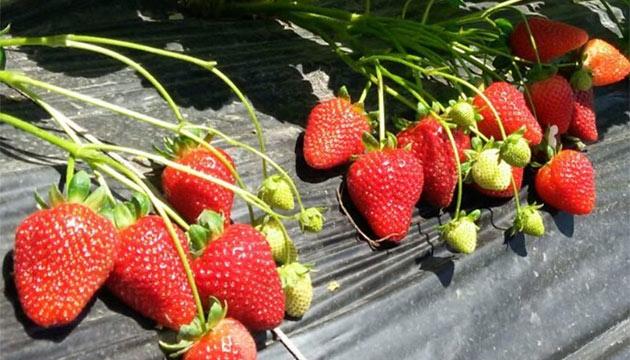
Strawberries didn’t become one of the world’s most popular crops overnight. Their journey from tiny wild berries in ancient forests to the robust commercial varieties we grow today is a story full of lessons for modern growers.

7/28/2025
When Size Matters
When Size Matters

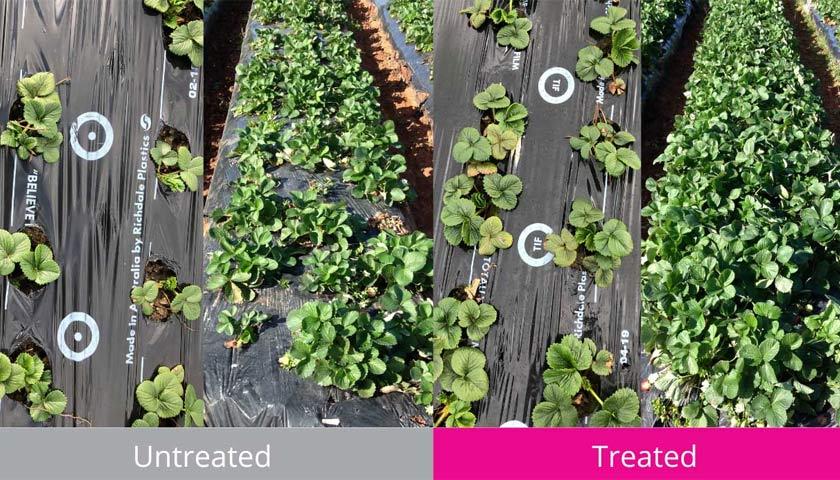
When a plant is unfumigated they have a smaller root system which means that water and nutrient uptake is poor. As a result, more water and fertiliser have to be applied to the soil for the stunted root systems to extract both. This increases wastage and input costs.

10/18/2022

View More Articles on Aghub

Improve your Soils with TriCal NZ

Get in touch with us today to find out how we can help reduce soilborne pathogens and increase your crop yield.


TriCal New Zealand Logo

Why Work With Us?

Contact Us